

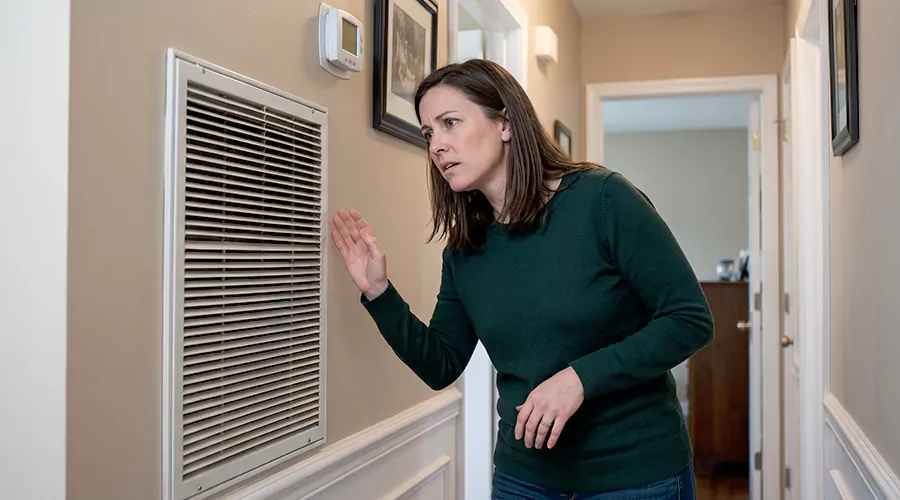
A return air vent is usually loud because air is being pulled through a restricted grille, dirty filter, undersized return duct, or another narrow opening at excessive velocity. Loose grille covers, air leaks, and blower noise traveling through the return duct can also cause whistling, rattling, or roaring sounds.
Return air vents are part of the circulation system in central heating and cooling equipment. While supply vents deliver conditioned air into rooms, return vents draw indoor air back toward the furnace or air handler. A faint rushing sound may be normal when the blower operates. However, persistent roaring, high-pitched whistling, or vibration can indicate that the return pathway needs attention. Professional AC vent repair can help address loose grilles, airflow restrictions, and other vent-related issues causing excessive noise.
The noise may be especially noticeable in hallways, bedrooms, and rooms with large return grilles. Understanding the sound can help identify whether a simple obstruction or a larger duct design issue is responsible.
What Does a Normal Return Air Vent Sound Like?
A functioning return vent may produce a gentle airflow sound while the HVAC blower operates. The sound depends on blower speed, duct layout, grille design, and the distance between the return and the air handler. Variable-speed equipment may become louder when operating at higher airflow settings. However, excessively loud rushing or whistling should not be dismissed automatically. The U.S. department of energy explains that poorly sized supply and return grilles can contribute to noise and comfort problems.
Common Causes of Loud Return Air Vents
| Possible Cause | Typical Noise | Recommended Action |
|---|---|---|
| Dirty air filter | Whistling or rushing | Replace filter |
| Undersized return grille | Loud whooshing | Evaluate grille size |
| Restricted return duct | Roaring | Inspect duct |
| Loose grille cover | Rattling | Secure grille |
| Air gap around filter cabinet | High-pitched whistle | Repair seal |
| Return close to blower | Fan noise | Evaluate duct layout |
| Excessive blower speed | Loud airflow | Check equipment settings |
| Blocked return opening | Increased rushing | Remove obstruction |
| Poor room return pathway | Pressure-related noise | Evaluate room circulation |
| Damaged duct connection | Whistle or vibration | Repair connection |
Different problems can produce similar sounds, so location and operating conditions matter.
1. The HVAC Filter Is Dirty
A clogged filter increases resistance as return air passes toward the blower. The filter may be located behind the return grille or inside a separate equipment cabinet. Carrier recommends maintaining suitable filters and keeping return pathways unobstructed. Inspect the filter and replace it according to the manufacturer's instructions. Do not remove the filter permanently to quiet the system. Operating without the required filter can allow debris to enter sensitive HVAC components.
2. The Return Air Grille Is Too Small
A grille with insufficient open area can force air through narrow openings at higher velocity. This may produce a pronounced whooshing or whistling sound. The department of energy recommends properly sized return grilles to promote suitable airflow and reduce noise. A contractor should evaluate the grille's effective open area rather than relying only on its outside dimensions. Simply installing a decorative grille with a different appearance may not solve a restrictive return duct behind it.
3. The Return Duct Is Undersized
A return duct that is too small for the blower's required airflow can create excessive resistance. This may result in loud airflow noise, uneven temperatures, and reduced system performance. ACCA Manual D provides recognized methods for sizing residential supply and return ducts. A professional can evaluate whether the return system needs a larger trunk, an additional return, or other design changes. Duct modifications should be based on measured airflow and system requirements.
4. The Return Vent Is Blocked
Furniture, rugs, curtains, and stored objects can restrict return openings. When the available pathway becomes smaller, airflow noise may increase. Check the area surrounding the grille and remove any obstruction. Carrier recommends keeping return vents open and unobstructed. Unlike many supply registers, return grilles generally should not be closed. Avoid using magnetic covers or decorative panels that reduce the return opening.
5. The Grille Cover Is Loose
A return grille may rattle when airflow causes a loose frame or louver to vibrate. This can happen after filter replacement, painting, or repeated removal of the grille. Check whether the cover is correctly positioned and its approved fasteners are secure. Do not overtighten screws into damaged drywall or conceal a loose mounting problem with tape. A properly mounted grille should remain stable during normal blower operation.
6. Air Is Leaking Around the Return Connection
A narrow gap around a return boot, filter housing, or duct joint can produce a high-pitched whistle. The sound may appear to come from the grille even though the opening is farther inside the assembly. Return-side leaks can also draw unwanted air from attics, crawlspaces, or equipment spaces. The department of energy recommends sealing duct connections and providing appropriate return-air pathways. A contractor can locate the leak and use approved mechanical and sealing methods to correct it.
7. Blower Noise Is Traveling Through the Return Duct
Return ducts can transmit sound directly from the air handler into occupied rooms. This is particularly noticeable when the return grille is close to the blower with only a short, straight duct between them. DOE building america guidance describes using properly designed turns and suitable duct construction to reduce direct noise transmission. The solution may involve changing the return layout or adding appropriate sound-control details. Do not place unapproved foam or insulation inside ducts as a homemade noise barrier.
8. The Blower Speed Is Incorrect
Some HVAC systems use adjustable blower settings for heating, cooling, and continuous fan operation. When the airflow setting is inappropriate for the duct network, return noise may increase. However, reducing blower speed without testing can affect cooling coils, heating operation, and equipment performance. A qualified technician should compare airflow and static pressure with the equipment manufacturer's specifications before making changes.
How to Quiet a Loud Return Air Vent Step by Step?
Step 1. Identify the Noise
Determine whether you hear whistling, rattling, or a continuous rushing sound. Different noises can point toward different problems.
Step 2. Inspect the Air Filter
Replace a dirty filter with a compatible product. Confirm that it fits securely and does not allow air to bypass the frame.
Step 3. Clear the Return Opening
Move furniture, curtains, and stored objects away from the grille.
Step 4. Check the Grille Cover
Look for loose fasteners or visible damage. Secure the cover without obstructing the airflow passage.
Step 5. Compare Operating Modes
Notice whether noise increases during cooling, heating, or high-speed fan operation. This information can help the technician identify blower-related causes.
Step 6. Consider Closed Room Doors
Observe whether the noise or room comfort changes when bedroom doors open. Poor return-air pathways can create room pressure imbalances.
Step 7. Request Professional Pressure Testing
An HVAC contractor can measure external static pressure and evaluate whether the return is restrictive.
Step 8. Correct the Identified Problem
Depending on the findings, repairs may include sealing air leaks, resizing a grille, enlarging a return duct, or correcting blower settings. The system should be tested again afterward.
Can You Make a Return Vent Quieter by Covering It?
No. Covering a return vent reduces the available pathway for air entering the HVAC system. This can increase resistance, worsen noise elsewhere, and affect heating or cooling performance. Carrier specifically advises keeping return vents unobstructed. A professionally designed sound-control solution should preserve the required airflow rather than restrict it.
Should You Install a Bigger Return Air Grille?
A larger grille may reduce noise when the existing opening is too restrictive. However, the duct behind the grille must also be evaluated. A larger decorative cover attached to an undersized duct may provide limited improvement. An HVAC contractor can calculate the required grille area and determine whether another return pathway is needed. The objective is to maintain sufficient airflow without excessive pressure loss.
When Should You Call an HVAC Professional?
Arrange service if loud noise continues after filter replacement, grille inspection, and removal of obstructions. Professional help is particularly useful when the return makes a strong roaring sound or the equipment exhibits airflow problems. The contractor should inspect the return ducts, evaluate static pressure, and confirm that blower settings are appropriate.
Conclusion
A loud return air vent often indicates restricted airflow, an undersized grille, a dirty filter, or excessive noise traveling from the blower. Begin with basic maintenance and make sure the return opening is clear. Persistent noise may require professional duct sizing, sealing, or static pressure testing. A successful repair should reduce the sound while maintaining the airflow required by the HVAC equipment.